MUTUAL AID & COMMUNITY RESILIENCE
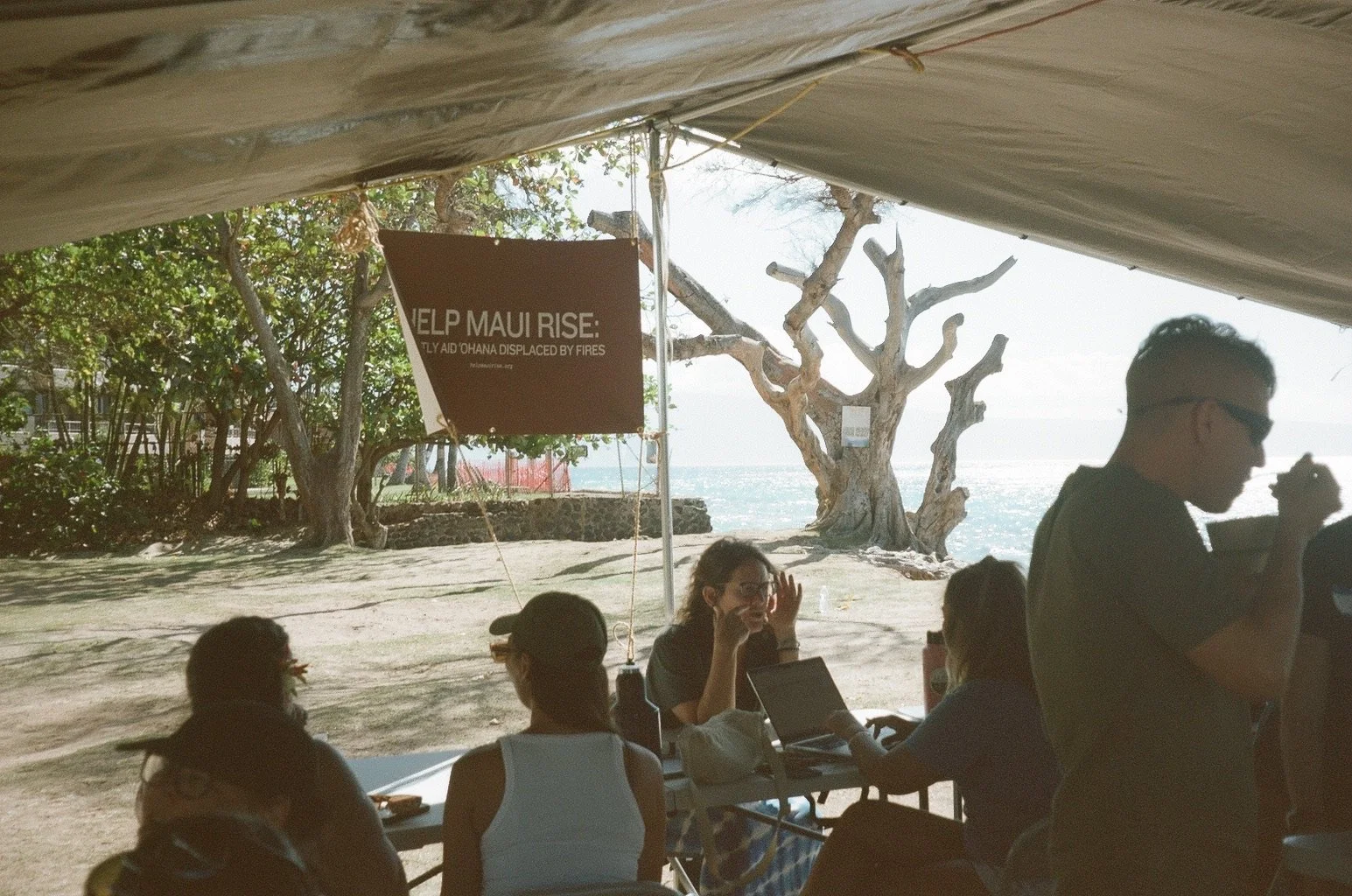
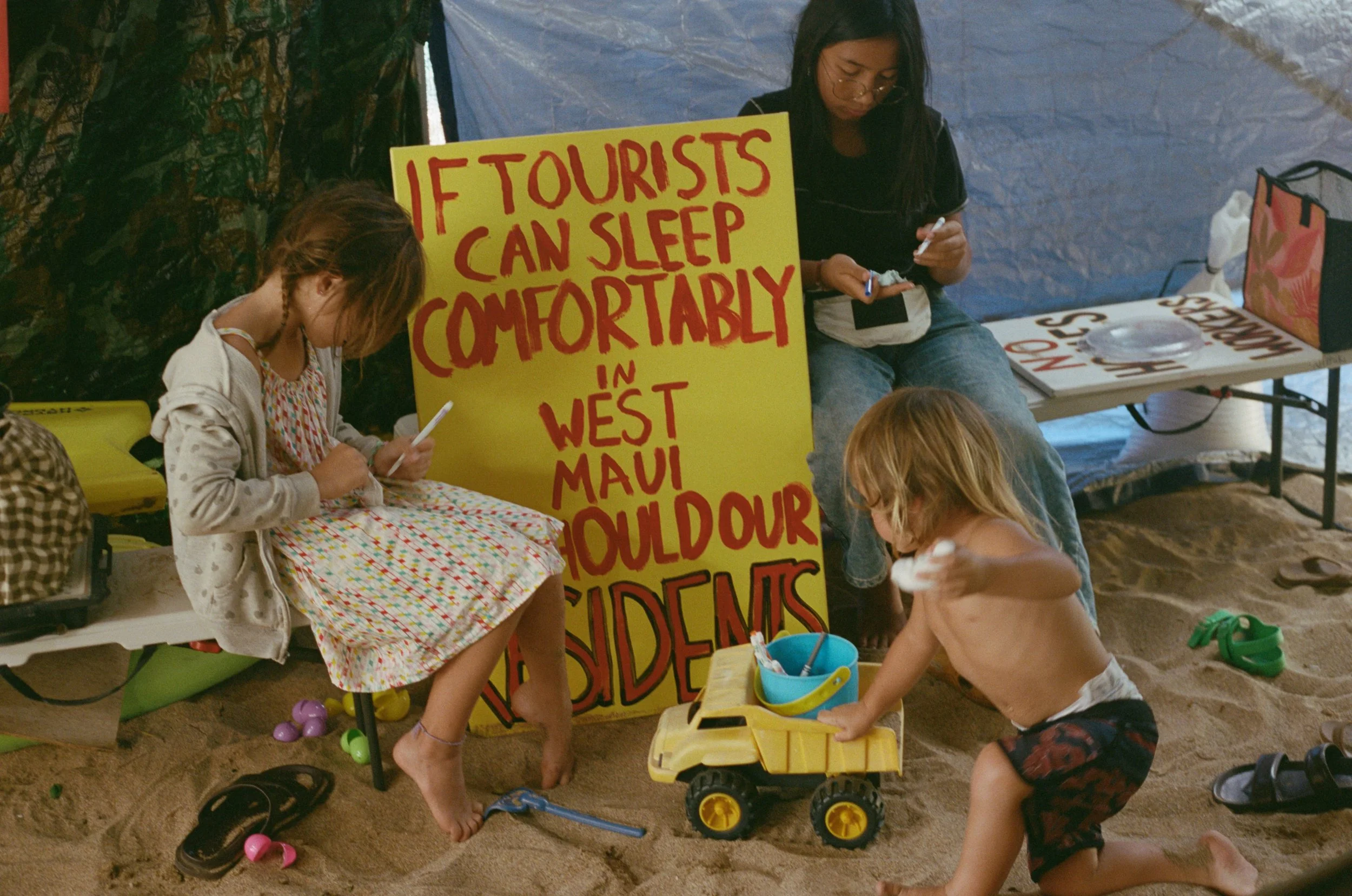
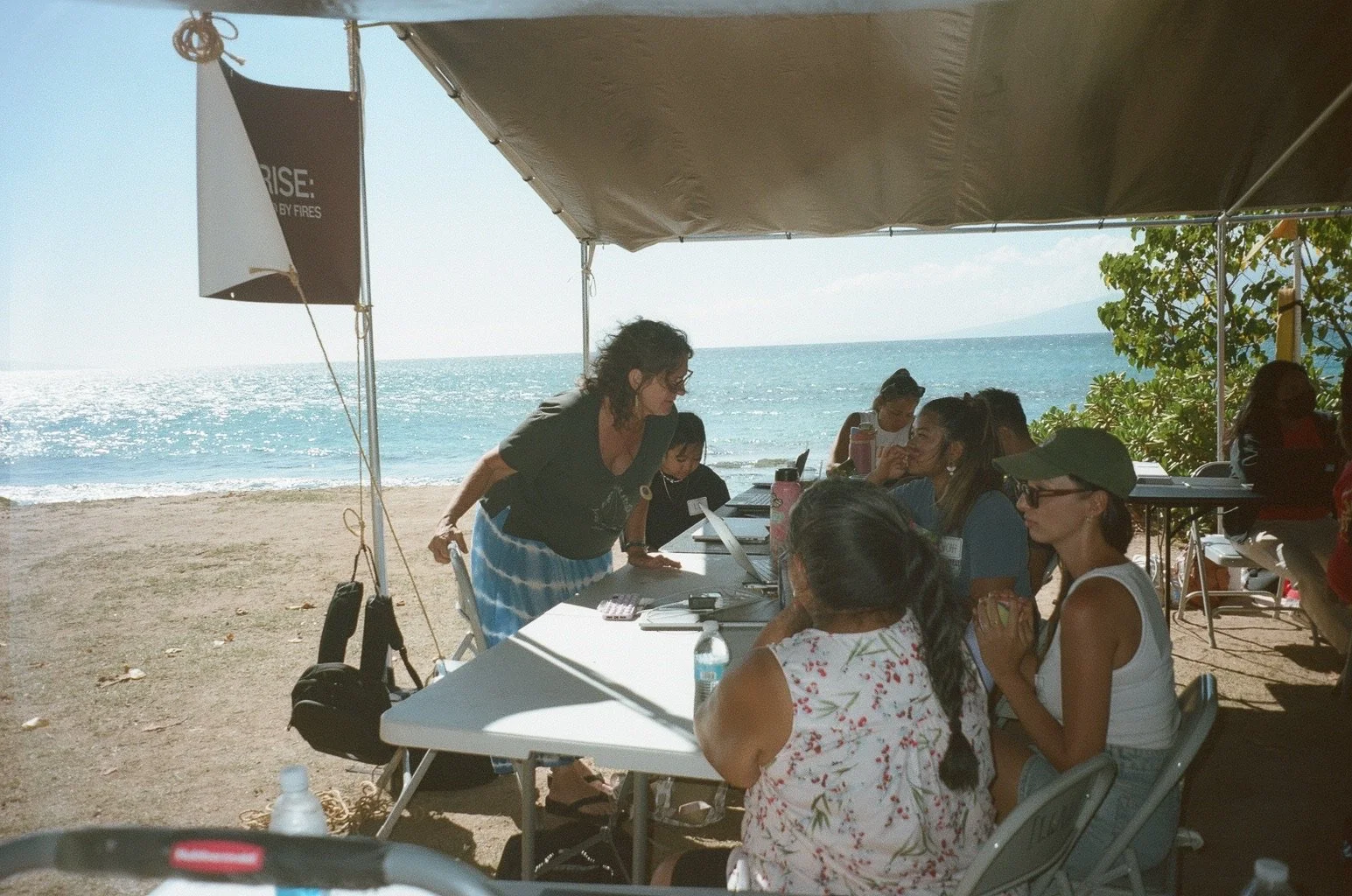
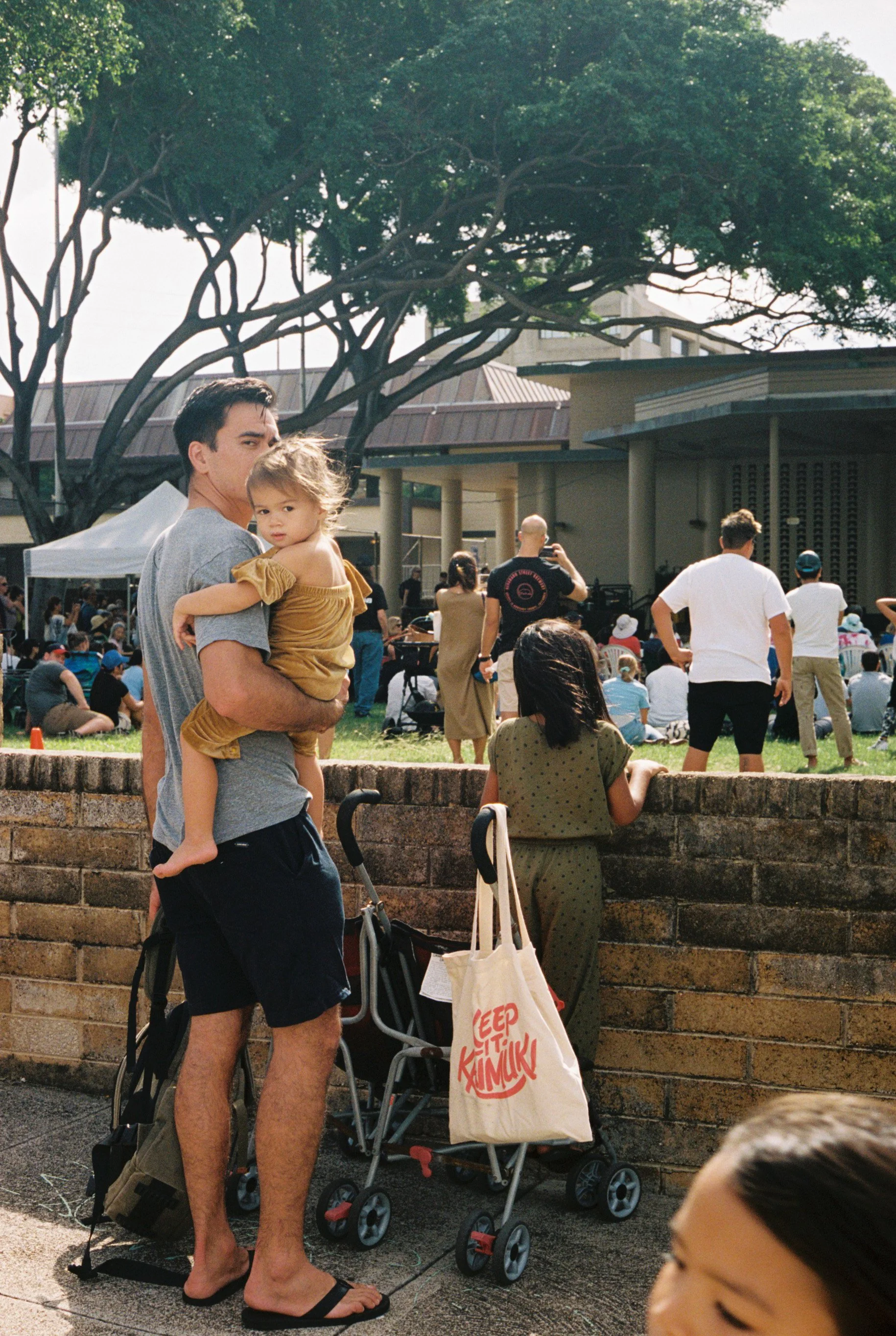
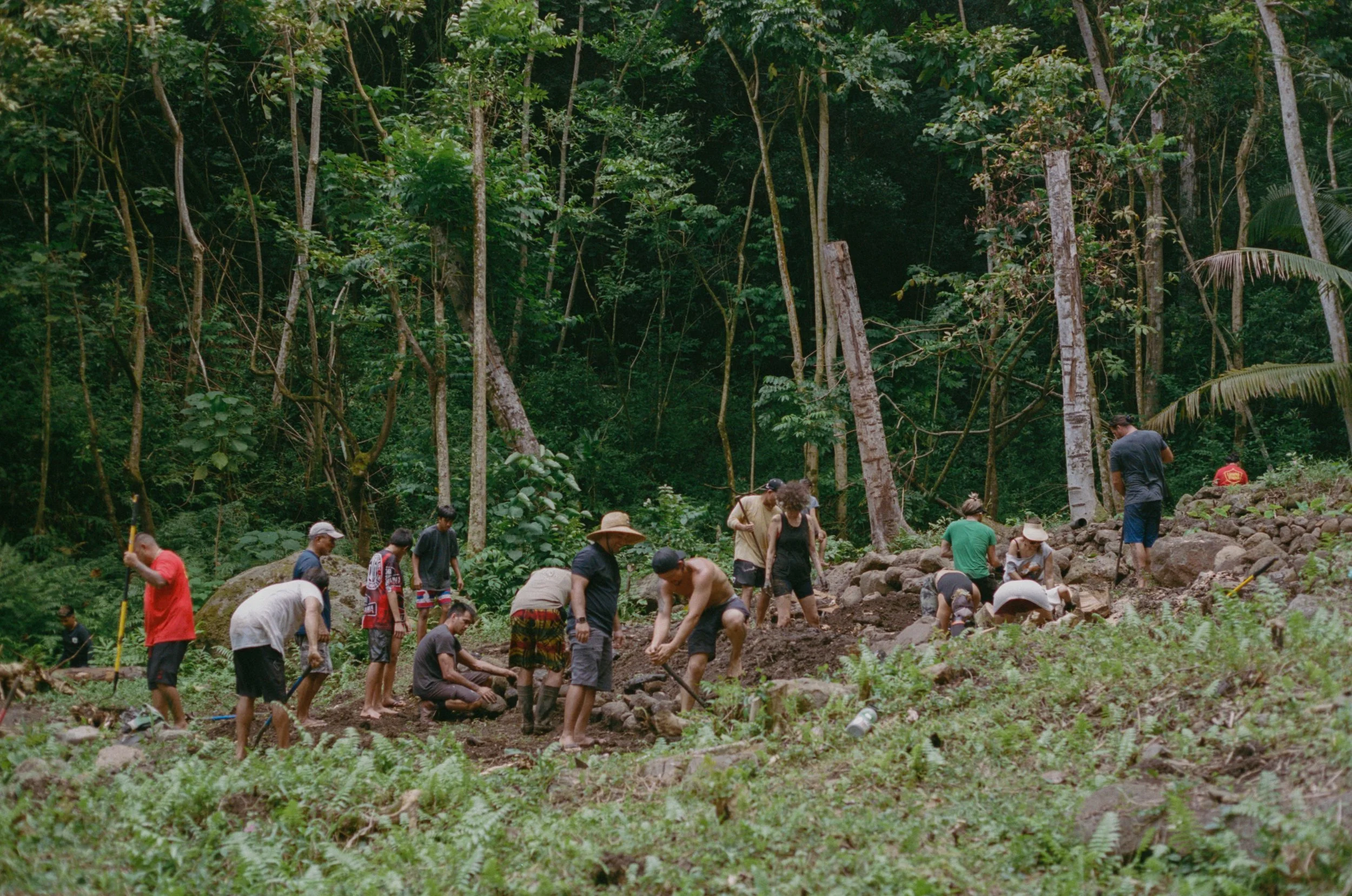
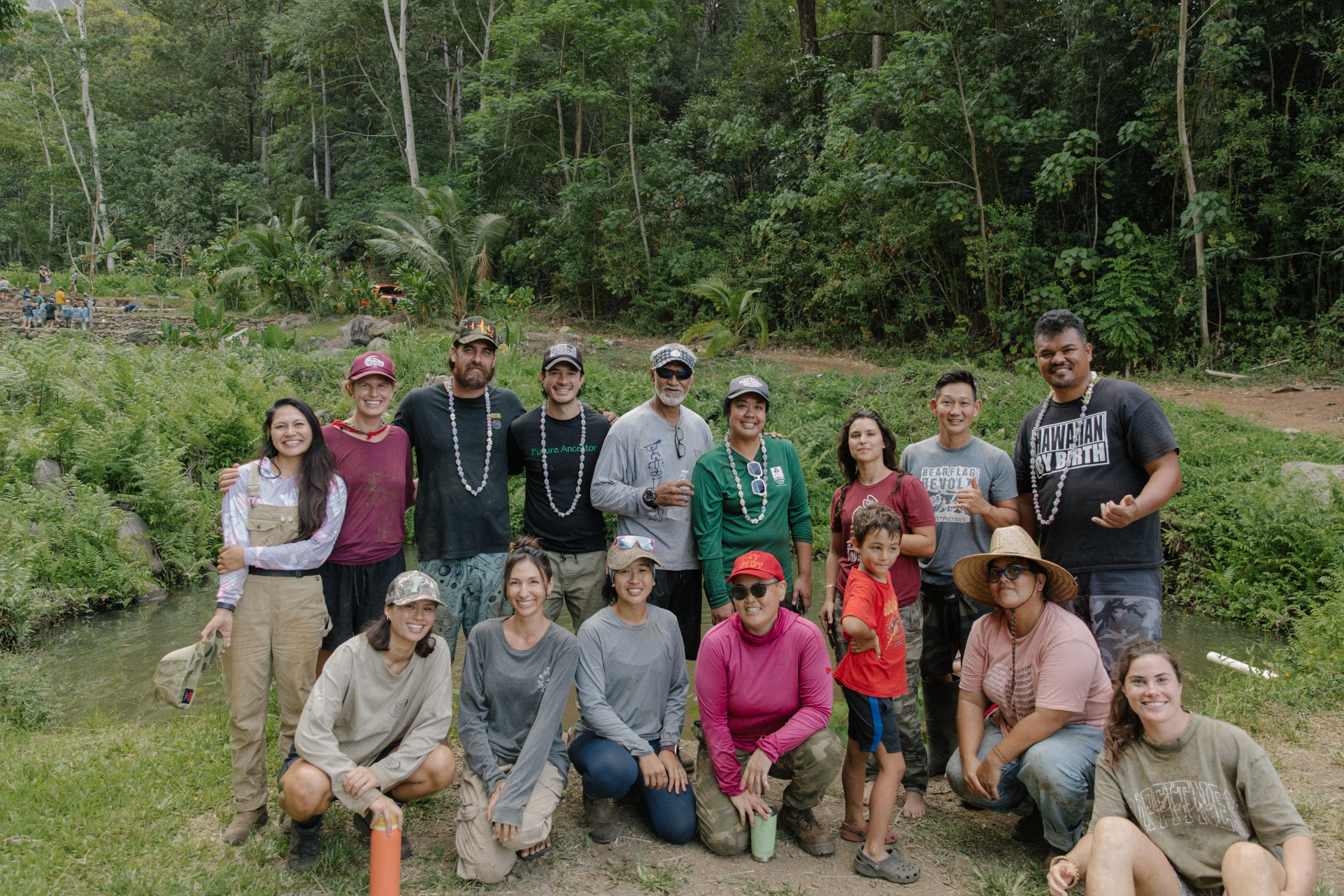
When systems fall short, our community shows up for one another. Through my work co-founding Help Maui Rise, I’ve seen firsthand how direct, neighbor-to-neighbor support can move resources quickly and equitably to families in need.
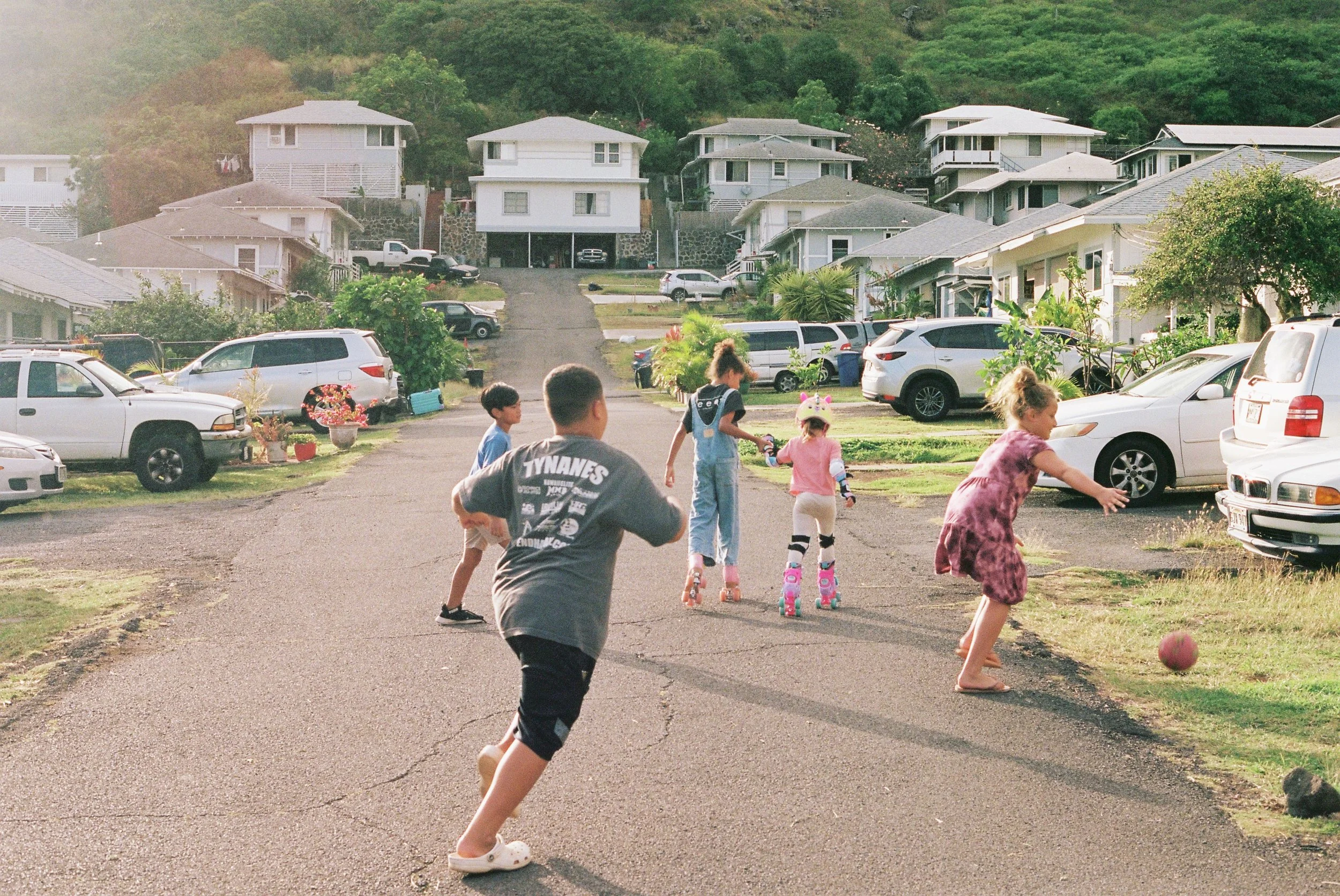
Real change doesn’t only happen at the Capitol — it happens in our neighborhoods.
I believe in strengthening neighborhood-based networks of care, supporting community-led solutions, and making sure government works alongside the people who are already doing the work.
GOVERNMENT ACCOUNTABILITY
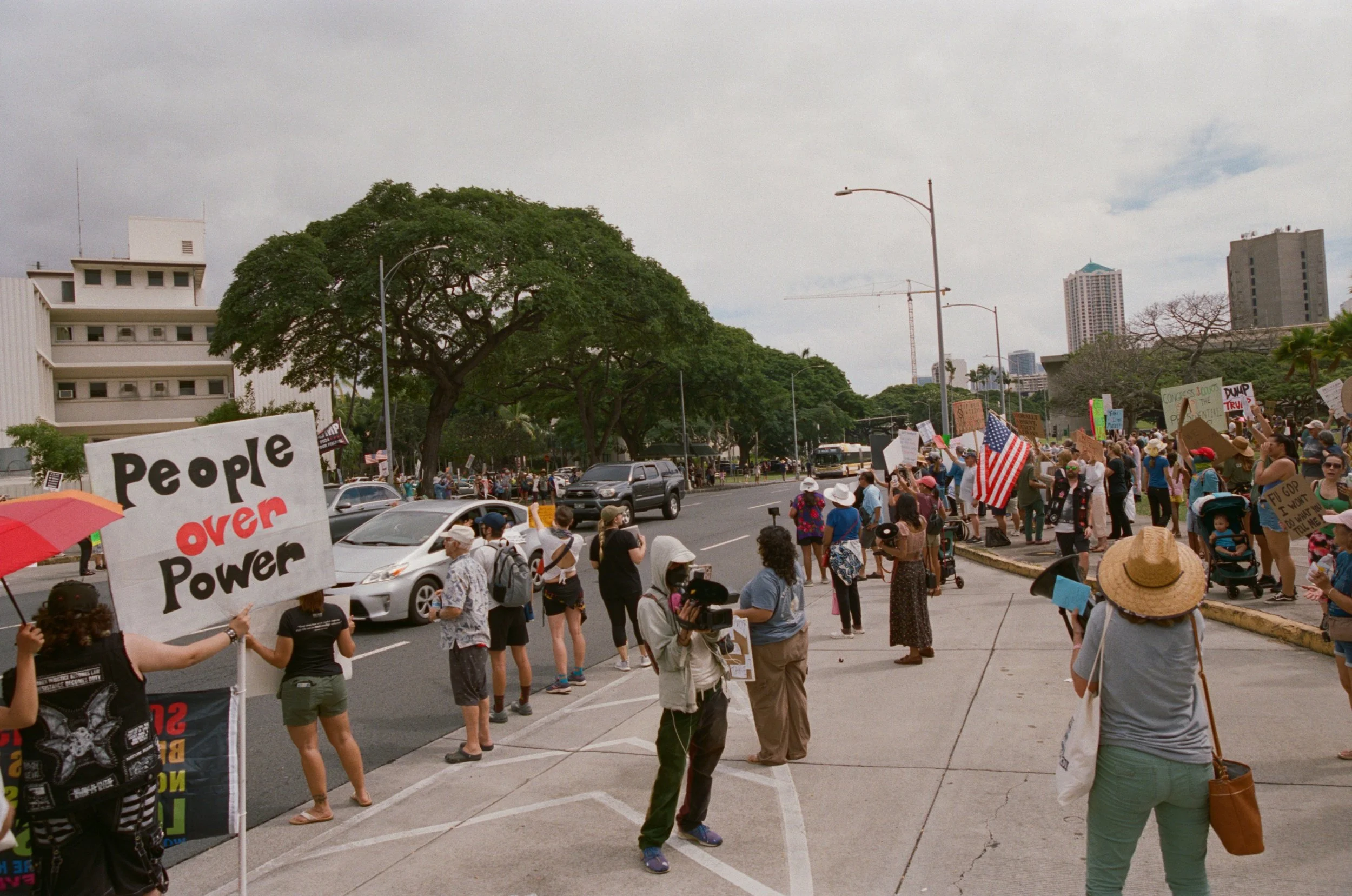
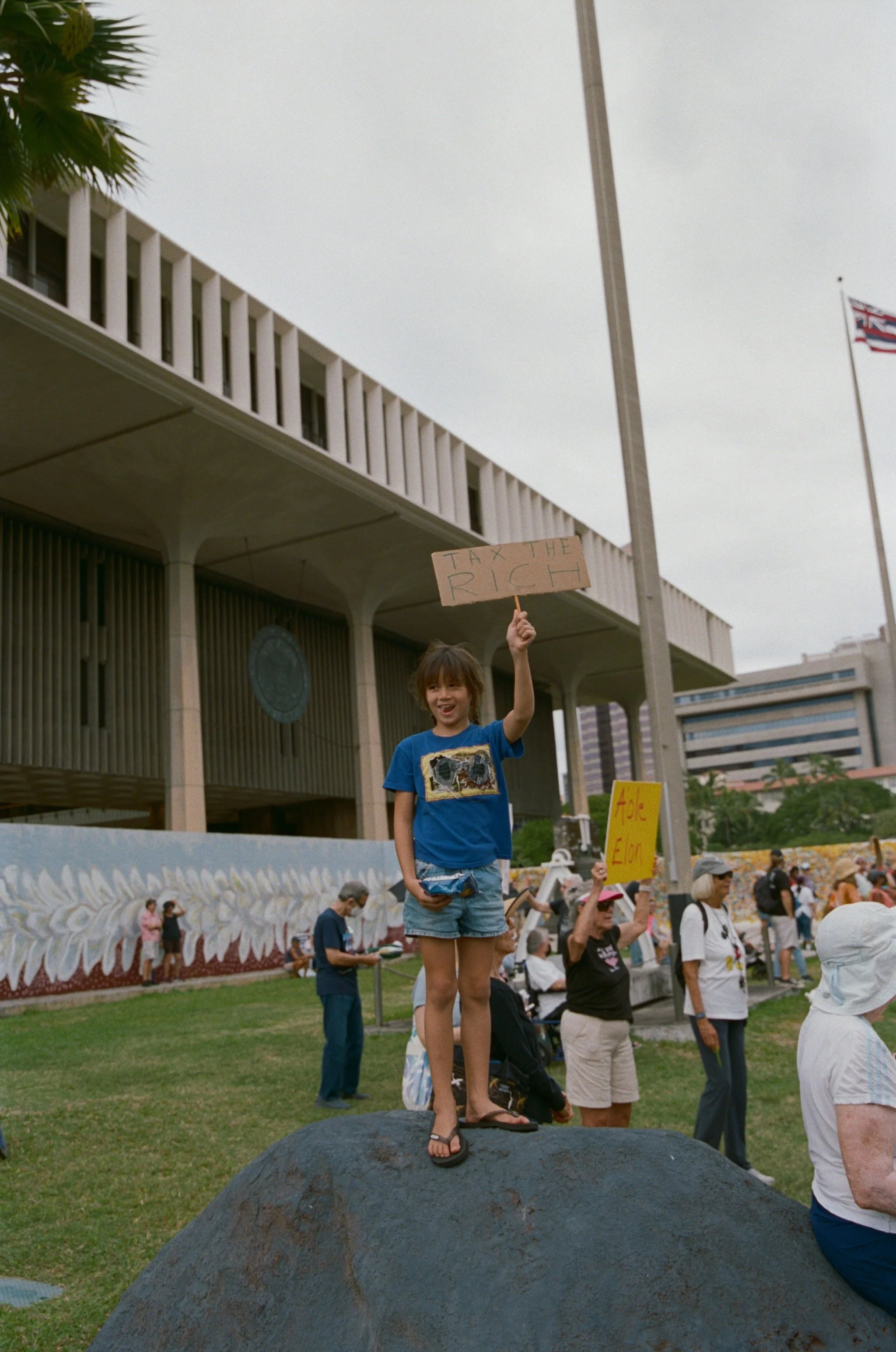
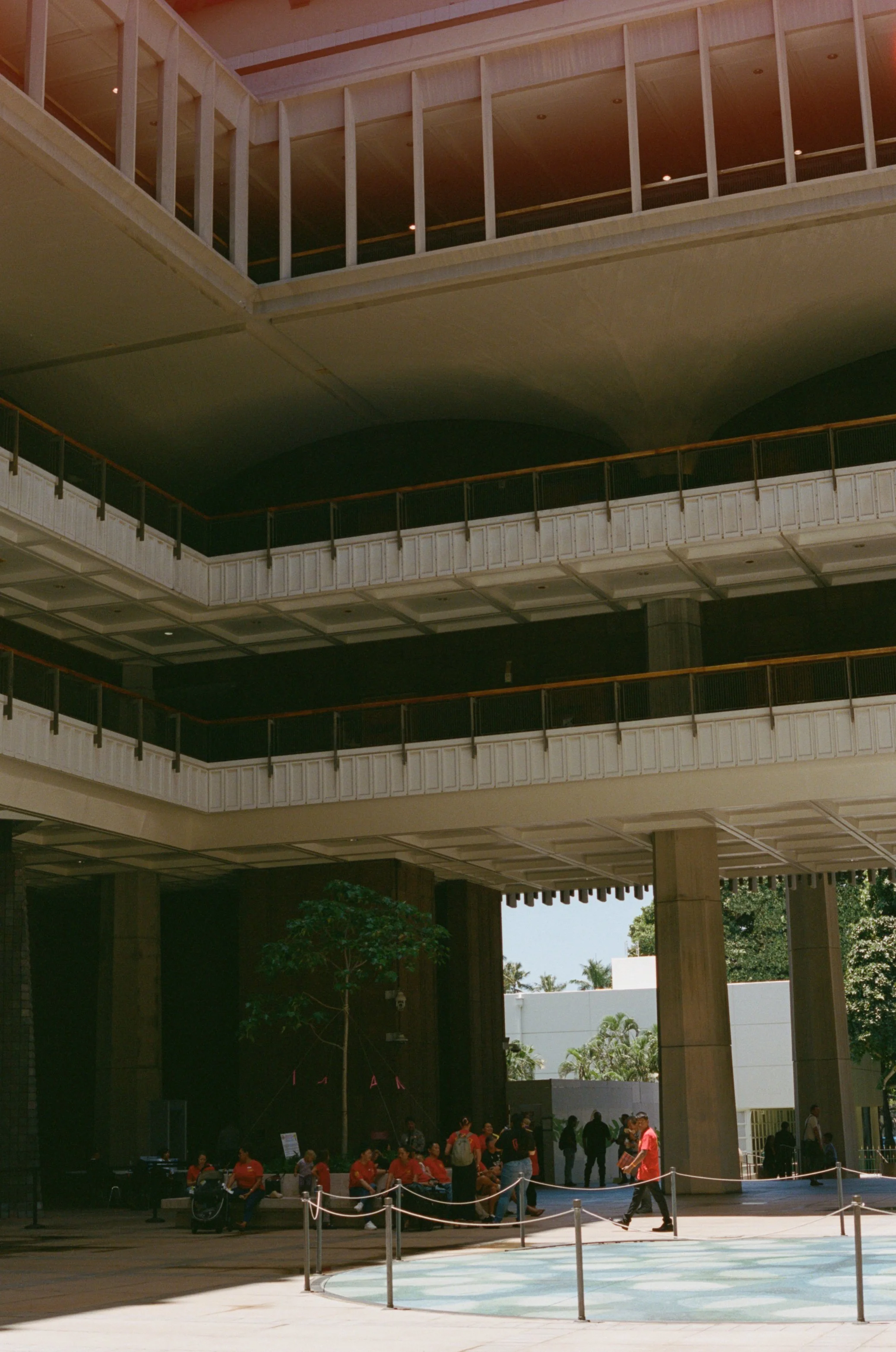
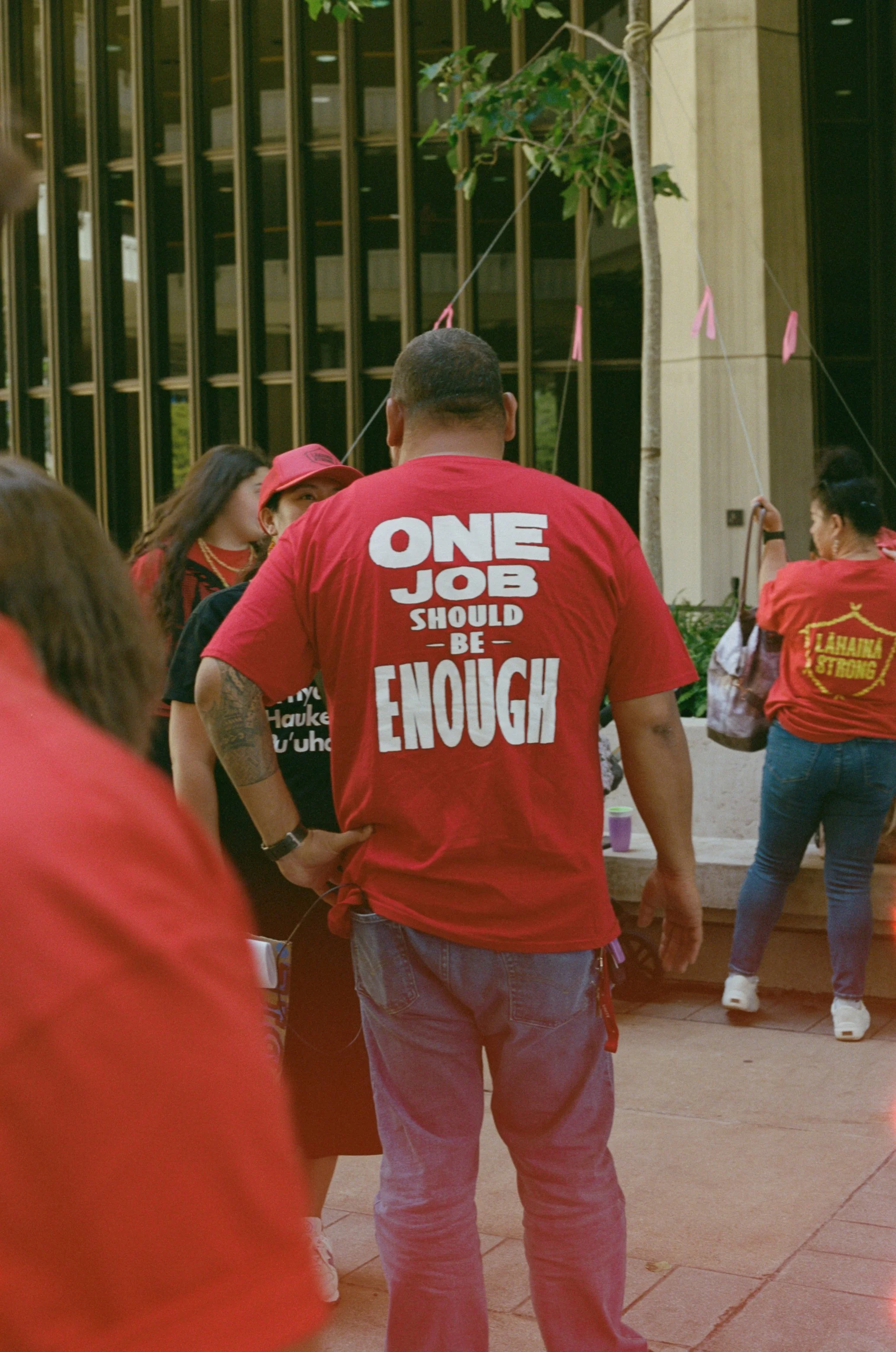
I’m fighting for a government that truly works for the people — for our families, our neighborhoods, and our shared future. As a representative, my job is to represent our community, and every decision I make should reflect your priorities.
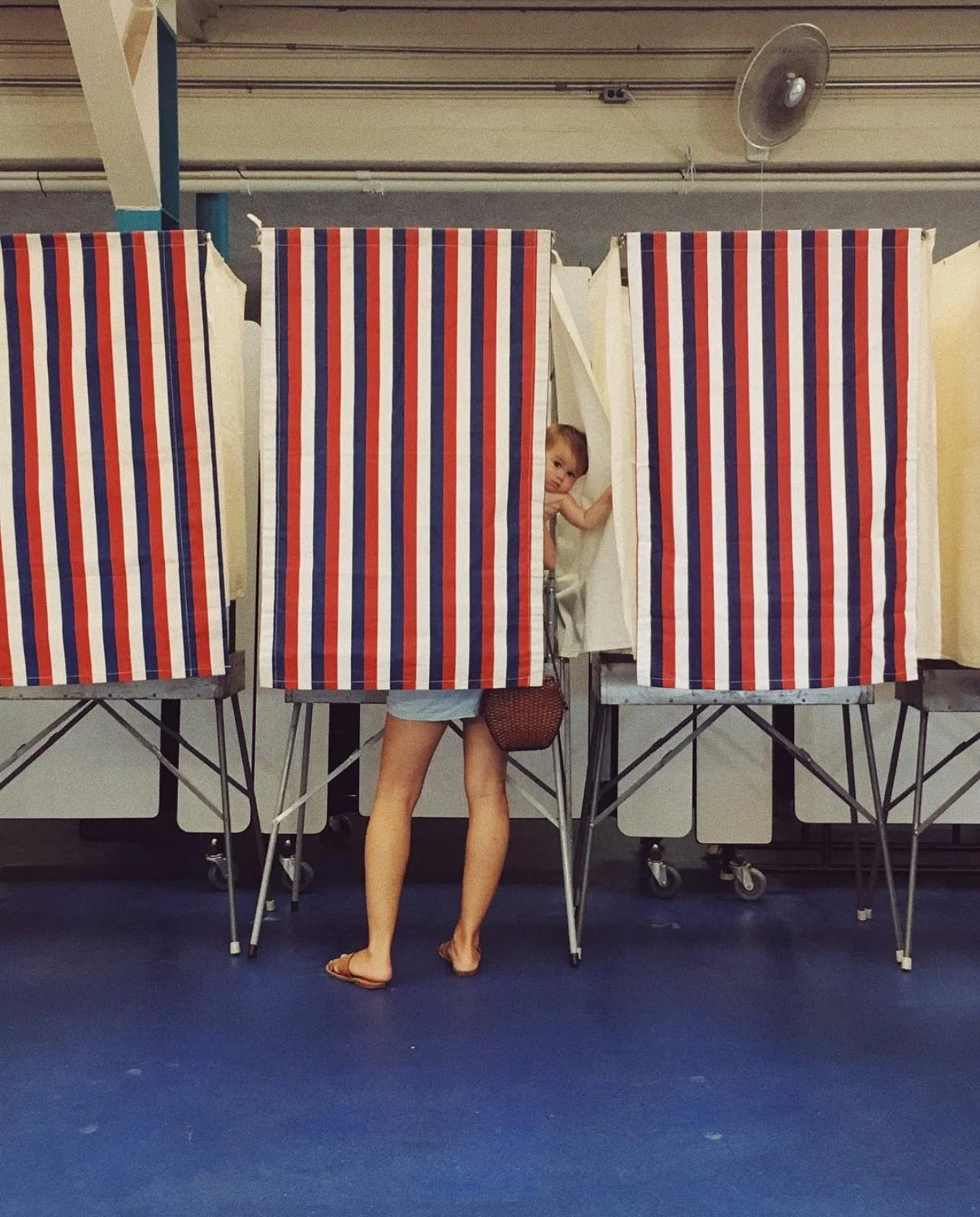
I will not take money from corporations, PACs, or out-of-state special interests. If politicians are obligated to their donors, I want to be sure the only people I feel accountable to are the people who live and work here. I support publicly funded elections, stronger rules to limit big-money influence, and transparency measures that make government accessible and responsive.
Government should be a partner to the community, not a vehicle for special interests. Every resident deserves to have their voice heard and their needs reflected in the decisions that shape our lives.
FOOD SOVERIGNTY & PROTECTION OF OUR ‘ĀINA
A resilient Hawaiʻi starts with our ability to feed ourselves.
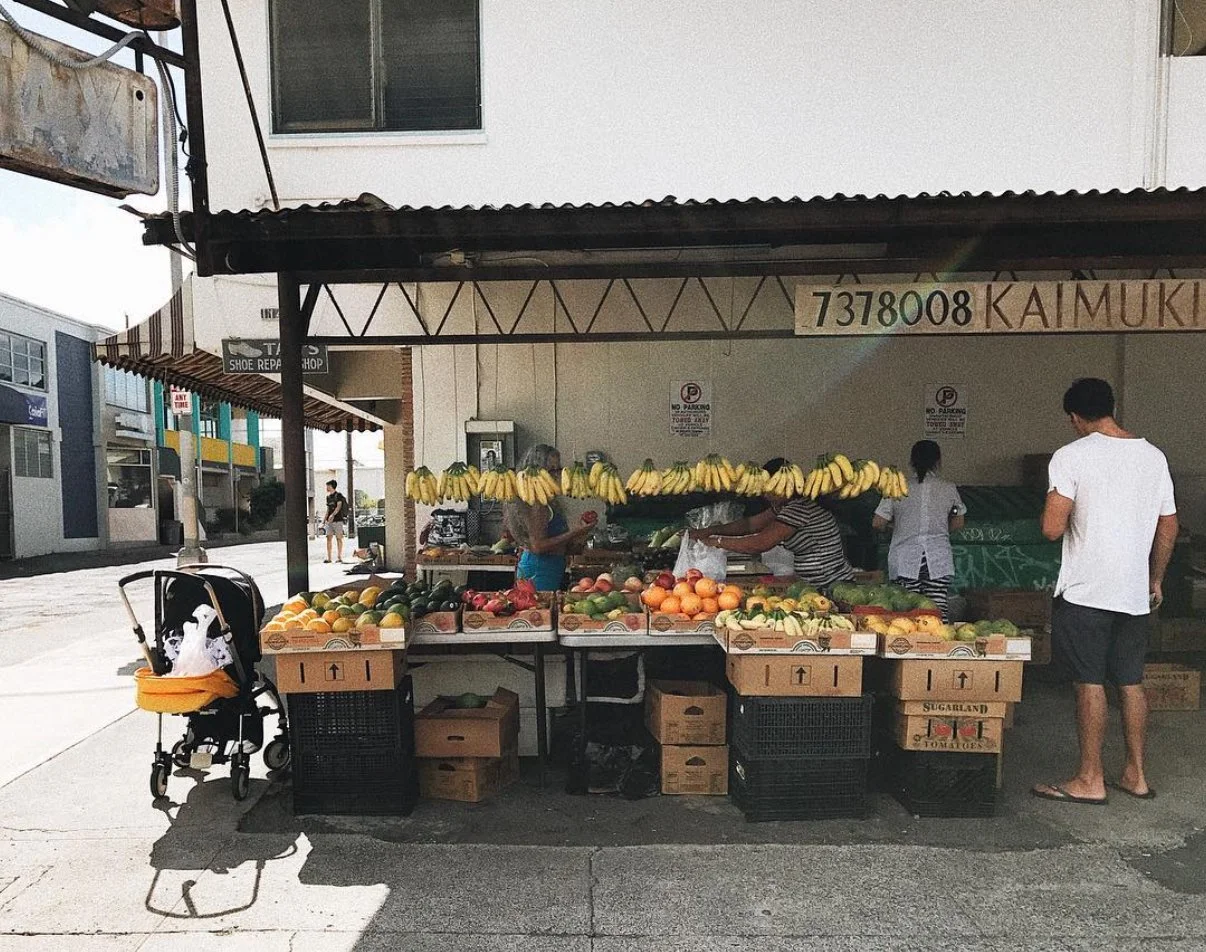
Right now, Hawaiʻi imports roughly 85–90% of its food. That makes us vulnerable. It drives up costs for families. And it disconnects us from land that once sustained entire communities.
Food sovereignty isn’t just about farming. It’s about resilience and affordability. It’s about who controls our resources and whether local families have the ability to stay home.
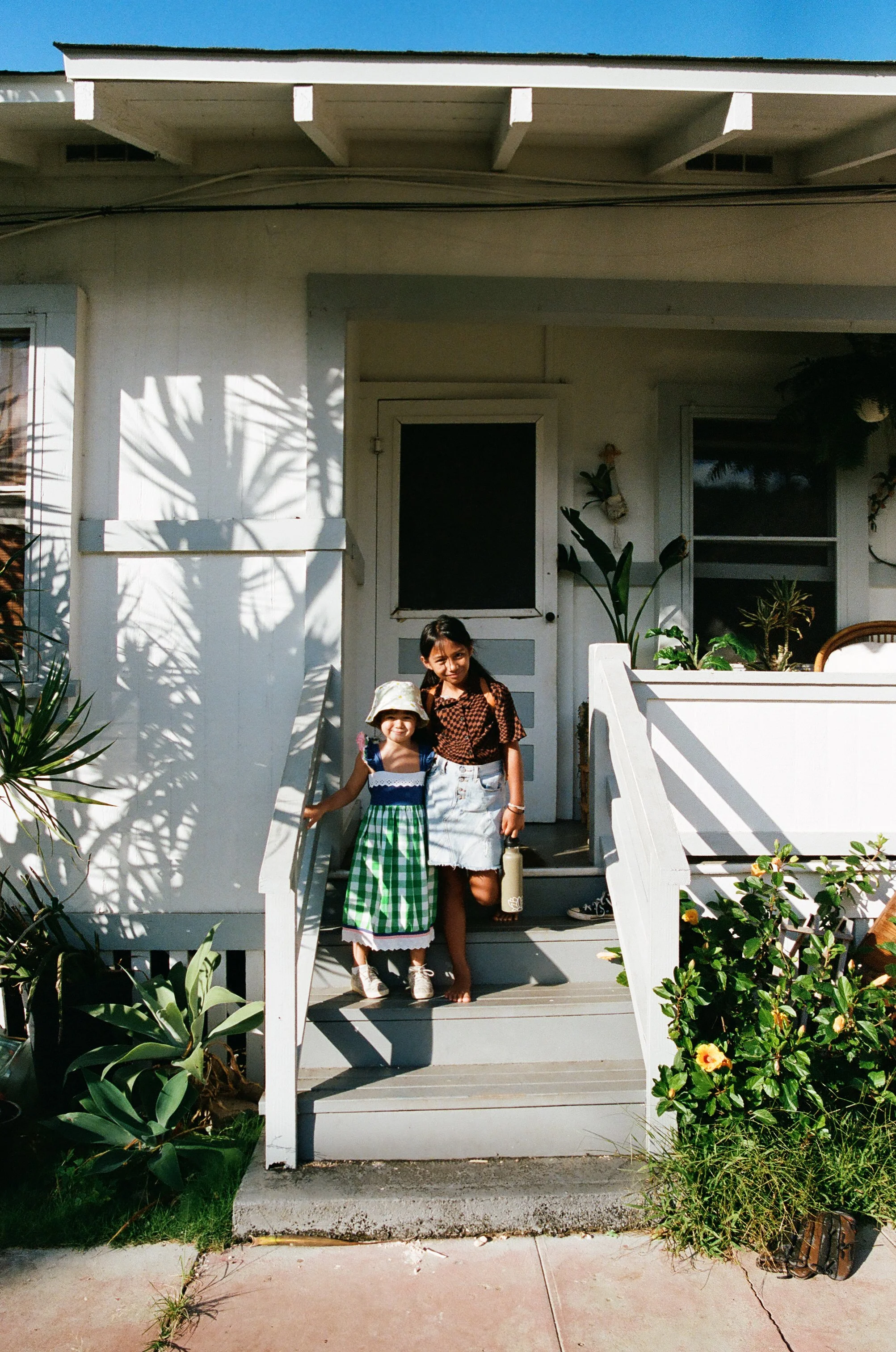
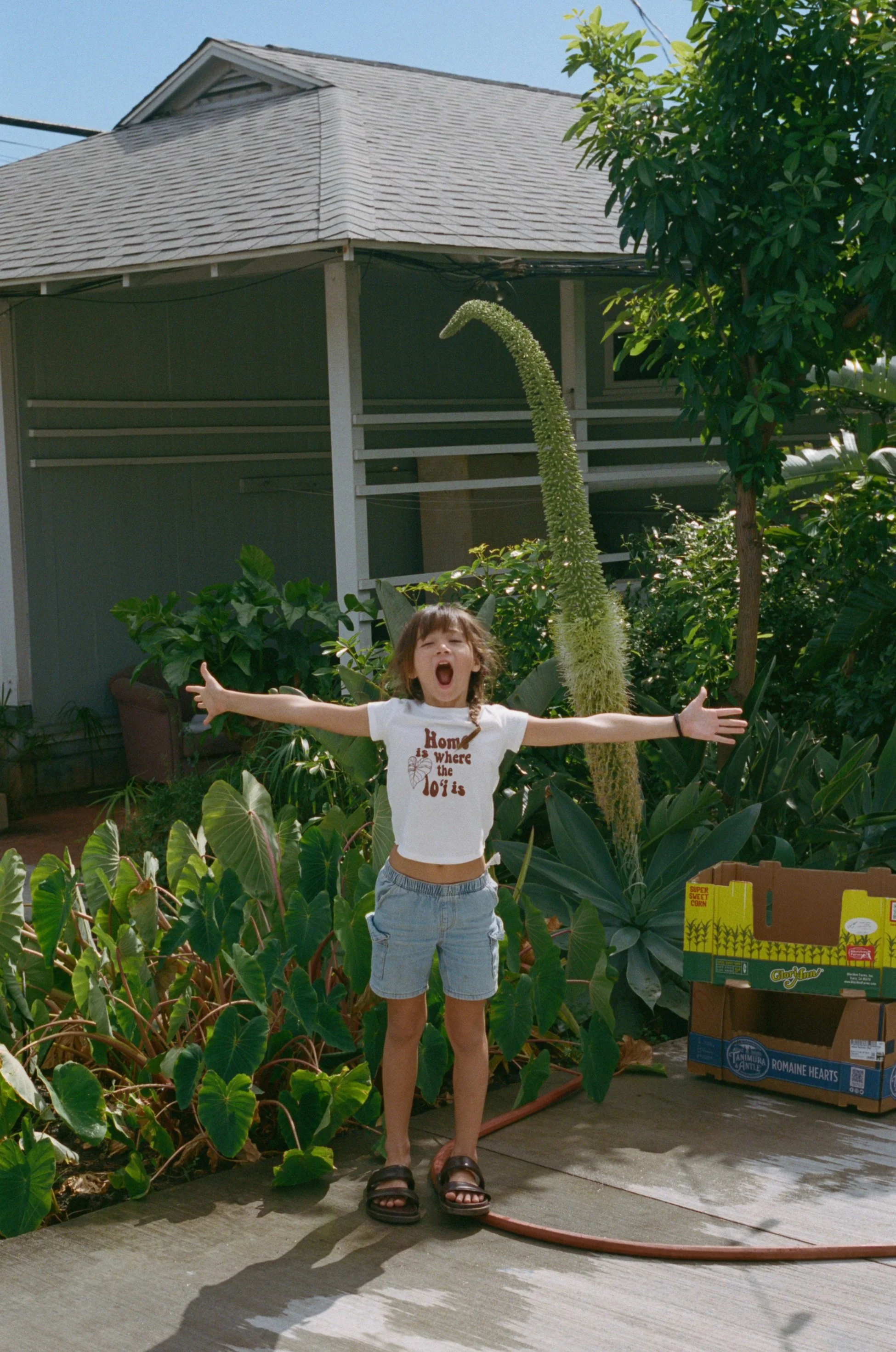
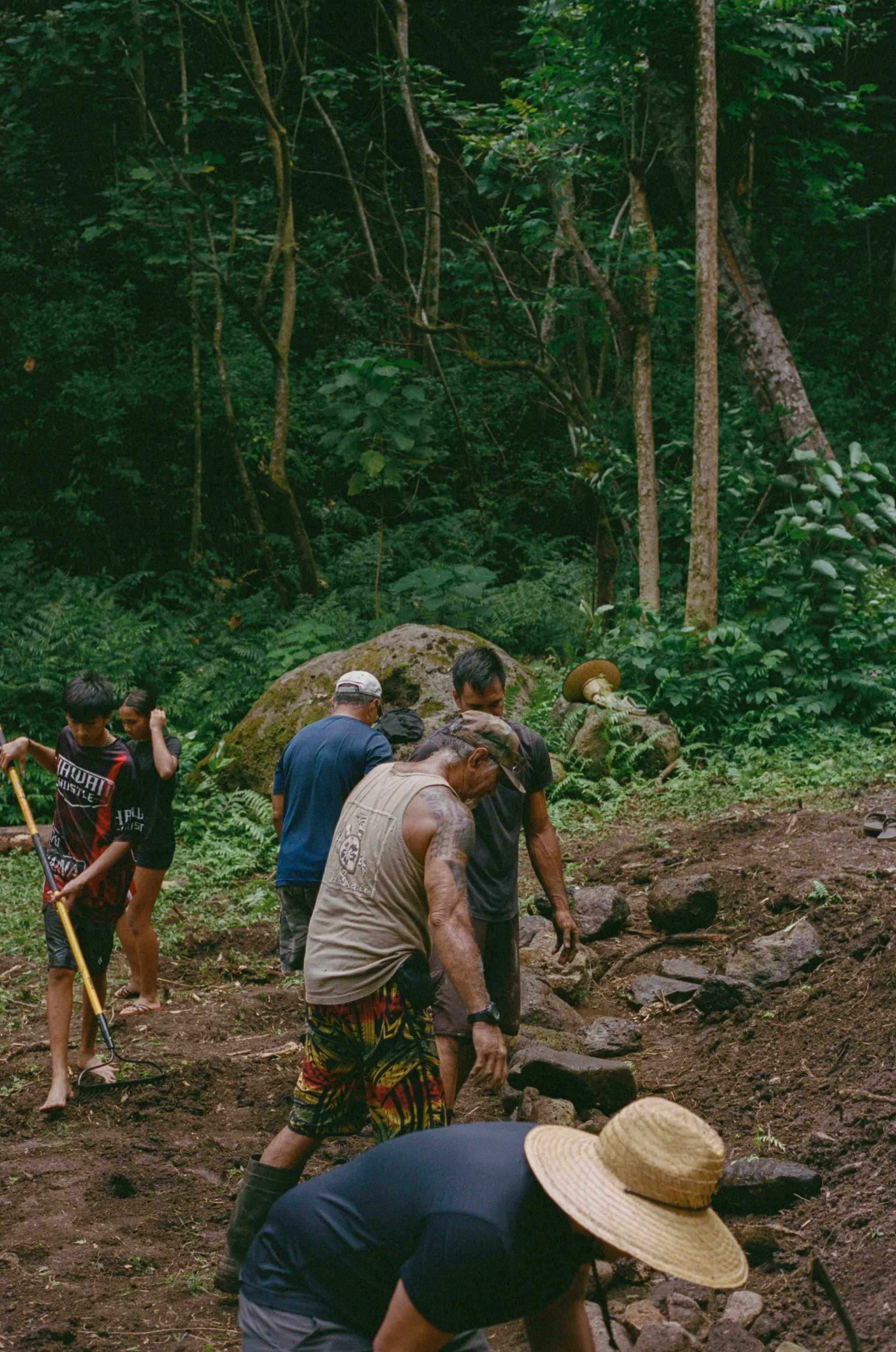
I’m committed to strengthening local agriculture, supporting small farmers, protecting our water, and stewarding our ʻāina so our keiki inherit a Hawaiʻi that can sustain itself for generations to come.
Food security begins with healthy soil, clean water, and policies that prioritize local growers over outside interests. It also means being proactive about the invasive species like coconut rhinoceros beetles and coqui frogs that threaten our ecosystems, agriculture, and quality of life. Protecting our land means acting early, not waiting until the damage is done.
Spending time in this work and learning alongside leaders has reinforced for me that housing, energy, water, and food are not separate conversations.
They all come back to land.
And they all come back to who we are building Hawaiʻi for.
HOUSING FOR LOCAL FAMILIES
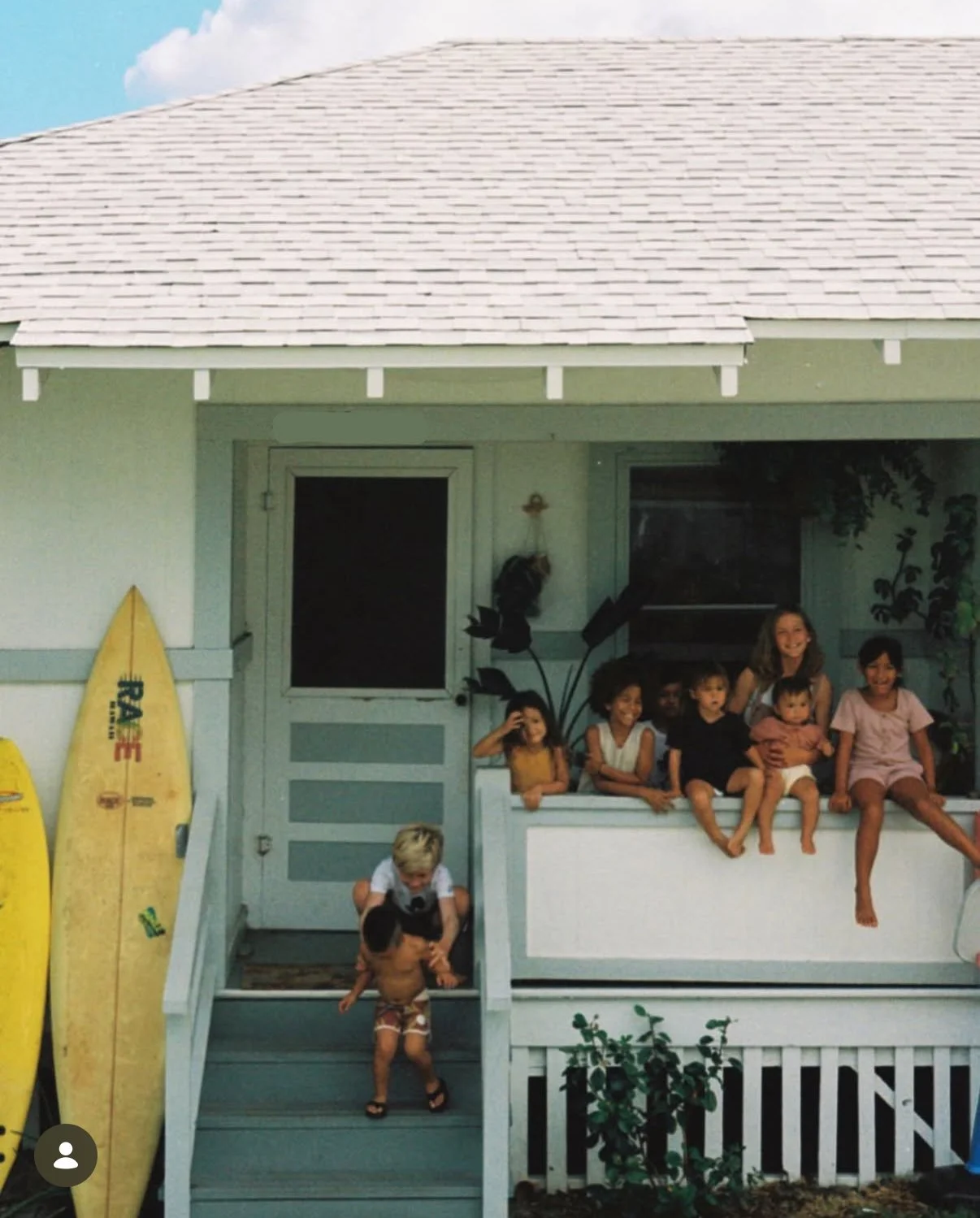
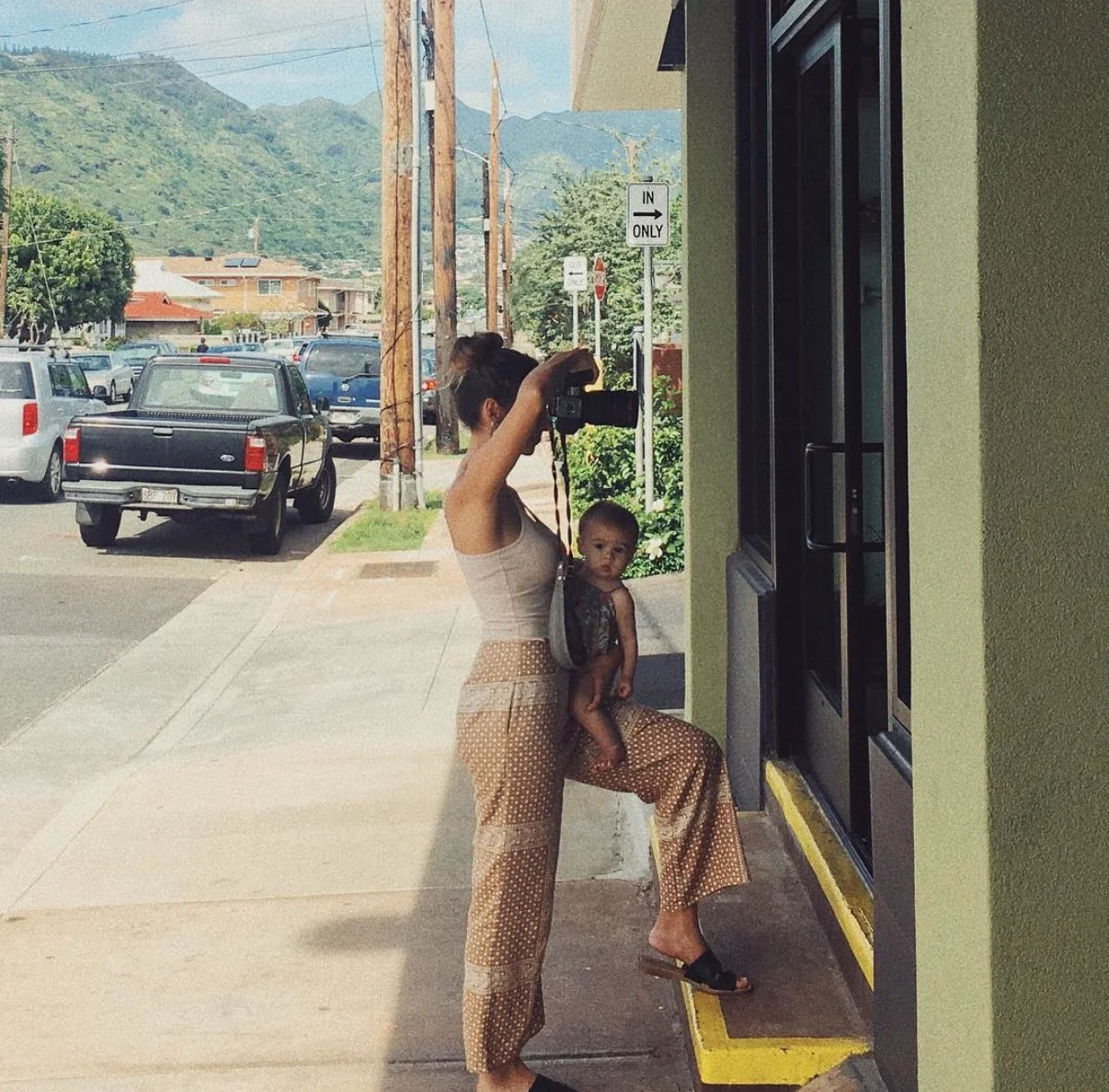
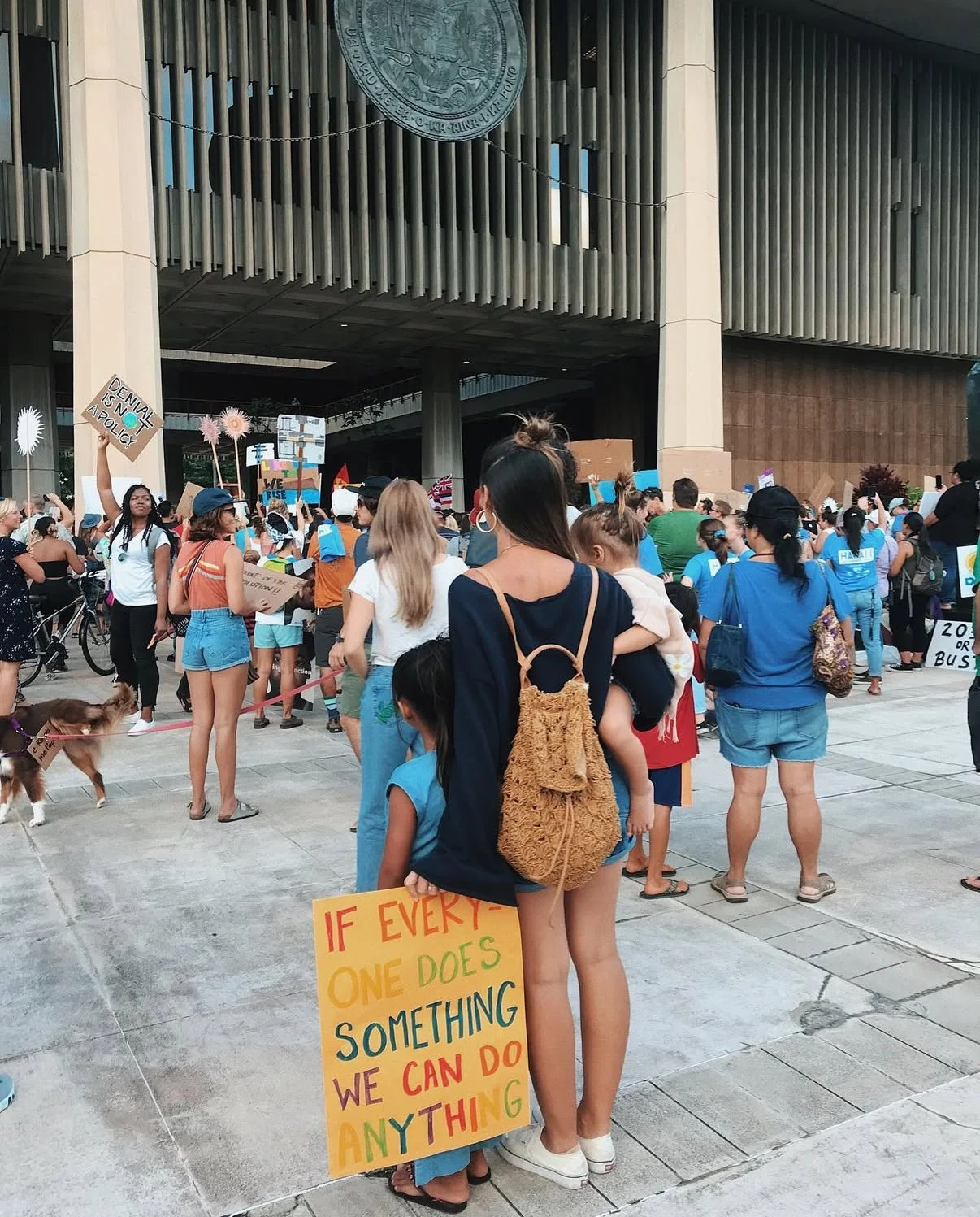
Our housing challenges are a direct result of decades of policies that have prioritized outside investors over the families who live and work here. Too often, speculative development, short-term rentals, and “monster homes” push local families out of neighborhoods they’ve called home for generations.
My work with Lahaina Strong on Bill 9, helped phase out thousands of short-term rentals, returning critical housing inventory back into the hands of local people where it belongs. To reclaim housing for our community, we need a ground-up approach that addresses homelessness, reforms zoning, strengthens renter protections, and ensures new development benefits local families first.
Every family deserves a home they can afford, familiar faces as they drive to work and neighborhoods that maintain their character.
AN ECONOMY THAT WORKS FOR WORKING FAMILIES
We need a sustainable local economy that puts our community first. That means supporting small businesses, ensuring corporations pay their fair share, strengthening the rights of the workers who are the backbone of our local economy, and investing in strong public schools.
Wages should allow families to live with dignity, and working families should never have to struggle just to stay afloat. When local businesses thrive and workers are respected, our entire community is stronger.